The Art of the Floating Staircase: Design & Engineering
Modern architecture has embraced the floating staircase as a symbol of minimalist elegance, where treads appear to defy gravity and create striking focal points in contemporary Maine homes. These cantilever staircases combine advanced engineering principles with artistic design, transforming functional elements into architectural sculptures that enhance open spaces while maintaining structural integrity and safety standards.
Key Takeaways
- Structural Engineering: Hidden support systems use cantilever principles to transfer loads through concealed steel frameworks anchored to reinforced walls
- Material Selection: Quality steel fabrication, premium hardwoods, and structural glass components ensure both durability and aesthetic appeal
- Code Compliance: Building regulations govern tread dimensions, weight capacity requirements, and safety features, including handrail specifications
- Professional Installation: Successful projects require collaboration between structural engineers, skilled fabricators, and experienced installers
- Design Versatility: Multiple configuration options accommodate various architectural styles from minimalist modern to industrial contemporary
- Cost Considerations: Investment reflects precision engineering, custom fabrication, and specialized installation expertise required for safe, stunning results
Understanding Floating Staircase Fundamentals
The floating staircase creates its signature illusion through cantilever engineering, where each tread extends from a supporting structure without visible support underneath. This architectural technique relies on hidden steel frameworks that transfer loads back to reinforced walls or structural elements, creating the appearance of steps suspended in mid-air.
Modern floating stairs require minimum tread depths of 10 inches with nosing or 11 inches without nosing for residential applications, while commercial installations demand even greater dimensions. International Building Code standards require stair treads to support at least 300 pounds of concentrated weight, though quality installations often exceed these minimums by substantial margins.
The engineering success of floating staircases depends on precise load distribution calculations. Structural engineers analyze weight transfer patterns, considering not only the staircase's own mass but also maximum anticipated user loads, including furniture movement and emergencies. This analysis determines the required wall reinforcement, anchor specifications, and steel framework dimensions needed for long-term stability.
Structural Support Systems and Engineering
Cantilever Support Methods
Professional floating staircase construction employs several proven structural approaches suited to specific architectural conditions.
- Hidden Steel Framework Systems are the most popular residential choice, using robust steel frames concealed within wall assemblies for clean visual lines and substantial load capacity.
- Wall-Mounted Cantilever Systems work best with substantial load-bearing walls, connecting each tread through chemical anchor bolts and steel spacers fixed at one end only.
- Central Spine Configurations utilize heavy-duty steel beams running vertically through the staircase center when adequate wall support isn't available, providing excellent stability for freestanding applications.
Load-Bearing Calculations
Proper engineering begins with a thorough load analysis addressing multiple stress factors. The structure must support its own weight plus maximum expected user loads, including furniture movement and emergency scenarios.
- Static Load Requirements include the permanent weight of all components.
- Dynamic Load Calculations account for moving loads like people and objects.
- Safety Factor Applications require designs to handle loads several times greater than normal use.
Advanced projects may incorporate structural glass walls positioned on both sides to support cantilever loads while maintaining visual transparency through specialized engineering and precise installation techniques.
Materials and Fabrication
Steel Framework Construction
Quality floating staircases begin with precision steel fabrication using appropriate grades for anticipated loads. Custom steel staircase builders in Maine specialists understand that structural steel selection impacts both performance and longevity.
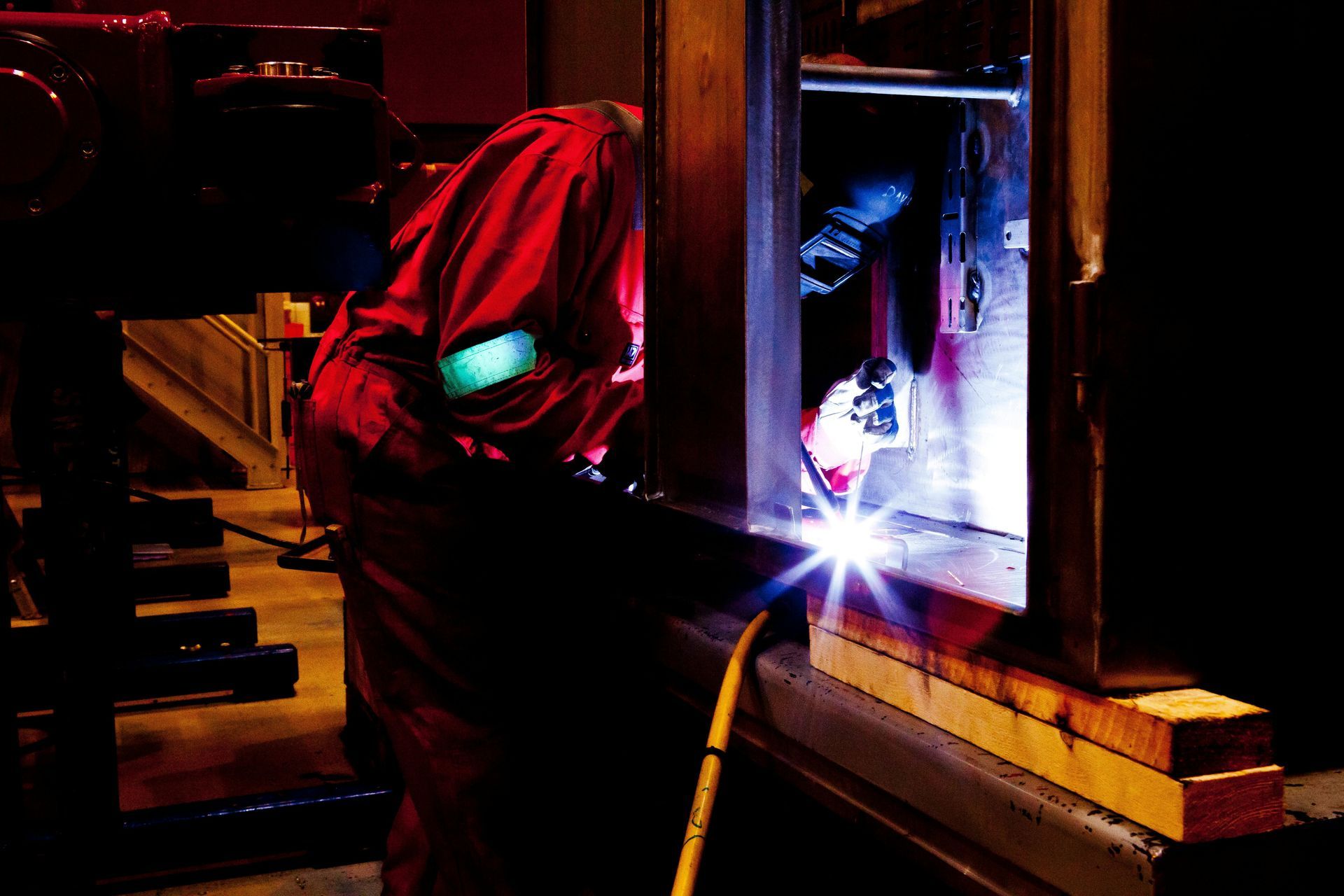
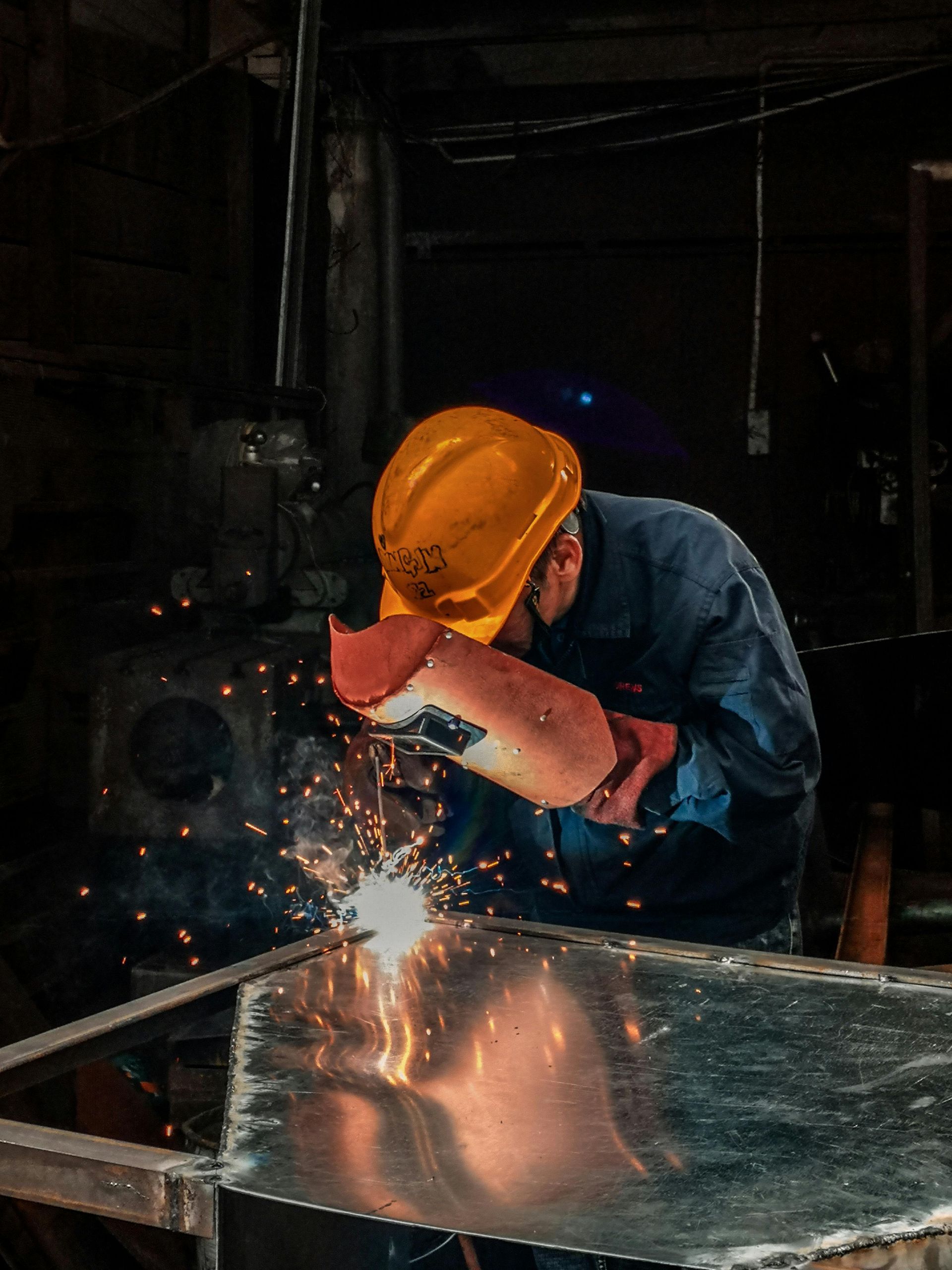
Professional fabrication involves critical processes including laser cutting for dimensional accuracy, custom stair rail welding saco techniques for seamless joints, surface preparation for corrosion prevention, and quality control testing for load verification.
CAD-based custom fabrication Saco services ensure that components fit precisely during installation, reducing field modifications while maintaining structural integrity.
Tread Material Selection
Floating staircase treads require materials that combine structural capability with visual appeal. Common options include:
- Solid Hardwood Treads typically measure 80-100mm thick to meet building code requirements for cantilever applications. Popular species include oak, walnut, and maple, chosen for their strength characteristics and grain patterns that complement modern design aesthetics.
- Engineered Wood Products offer consistent quality and dimensional stability, particularly important for longer spans where natural wood movement could create issues. These products often incorporate multiple wood layers bonded with structural adhesives.
- Steel and Glass Combinations create striking contemporary appearances while providing excellent structural properties. Tempered glass treads require specialized support systems but deliver unmatched visual lightness.
Handrail and Railing Systems
Stair and handrail design specialists in Maine understand that railing systems serve dual functions as safety features and design elements. Modern materials technology enables glass or industrial-grade acrylic guardrails that provide safety without obstructing views, while maintaining the minimalist aesthetic that makes floating staircases so appealing.
- Glass Railing Systems use tempered or laminated glass panels secured to treads through specialized hardware. These systems provide maximum safety while preserving visual openness. Structural glass can even contribute to overall staircase stability when properly engineered.
- Cable Rail Systems offer industrial styling with excellent safety performance. Stainless steel cables run between posts or directly between treads, creating horizontal lines that complement the floating effect.
- Minimalist Metal Rails use thin but strong materials to provide required safety barriers without visual weight. Interior metal handrails saco me specialists often recommend powder-coated finishes that coordinate with architectural elements while resisting wear and corrosion.
| Railing Type | Visual Impact | Safety Level | Maintenance | Cost Range |
|---|---|---|---|---|
| Glass Panels | Minimal | Excellent | Low | High |
| Cable Systems | Moderate | Very Good | Moderate | Medium |
| Metal Rails | Variable | Excellent | Low | Medium-High |
| Wood Elements | Warm | Good | Higher | Medium |
Building Code Compliance and Safety Standards
Residential vs Commercial Requirements
Building code compliance is the foundation of installing safe floating staircases. Residential projects must follow IRC 2024 standards, including maximum riser heights of 7¾ inches and minimum tread depths of 10-11 inches. Commercial applications require IBC 2024 compliance with more restrictive dimensions, including riser heights 7-inch at max.
- Headroom Requirements mandate a minimum 80-inch clearance measured from tread nosing, ensuring adequate space for safe passage.
- Width Standards typically require a 36-inch minimum clear width above handrail height, though specific local codes may vary.
- Open Riser Considerations present particular challenges for floating staircase compliance. Many local codes restrict open risers in homes with small children or where the stairway serves as the primary egress. Solutions include installing protective netting, using closed riser designs, or incorporating safety features that prevent small objects or body parts from passing through.
Handrail and Guard Requirements
Safety standards specify handrail requirements based on staircase configuration and use patterns. Handrails are required on flights with four or more risers, though specific local regulations should always be consulted. Handrail systems must resist 200-pound concentrated loads applied in any direction, while guard systems focus on outward and downward load resistance.
- Height Requirements typically mandate handrails between 34-38 inches above tread nosing for stairs, with guards requiring 42-inch minimum heights at landings.
- Graspability Standards specify handrail profiles that allow a secure grip, usually circular cross-sections between 1¼ and 2 inches in diameter.
- Load Testing Standards ensure that installed systems can handle anticipated stresses. The installation of engineered steel rail systems in Saco must show compliance through professional testing or engineering certification before final approval.
Permit and Inspection Processes
Floating staircase projects typically require building permits and multiple inspection stages. Initial submissions include detailed drawings showing structural support systems, material specifications, and compliance documentation. Engineers often provide stamped calculations demonstrating load capacity and safety factor compliance.
- Structural Inspection Points occur during framework installation, before concealment within wall systems. Inspectors verify anchor specifications, steel framework dimensions, and connection details match approved drawings.
- Final Inspections confirm that completed installations meet all code requirements, including handrail specifications, tread dimensions, and safety clearances. Metal design and engineering professionals in Maine coordinate with inspectors to ensure smooth approval processes.
Design Options and Configuration Flexibility
Geometric Variations
Floating staircase design accommodates numerous architectural styles and spatial constraints. Straight runs offer the simplest engineering with maximum visual impact, while L-shaped and U-shaped configurations work well in constrained spaces.
- Curved Floating Stairs present complex engineering challenges but deliver exceptional visual drama. Spiral staircase railing fabrication Maine specialists understand additional structural considerations, including torsional loads and specialized connections.
- Split-Level Applications allow floating staircases to serve multiple floor connections while maintaining design continuity through independent landing systems.
Material Integration
Artistic metalwork and railing fabrication experts recognize that material combinations define aesthetic impact.
- Wood and Steel Combinations offer timeless appeal with excellent structural properties.
- Glass Integration Options range from structural treads to transparent railings that contribute to structural performance while maintaining open spaces.
- Lighting Integration transforms staircases into dramatic features using LED strips beneath treads or handrail-integrated systems.
Installation Process and Professional Requirements
Site Preparation and Structural Assessment
Successful floating staircase installation begins with a comprehensive site evaluation, including structural wall assessment, dimensional verification, and utility coordination. Professional installers must understand existing building systems to avoid conflicts during framework installation.
- Wall Reinforcement Requirements often necessitate structural modifications to handle cantilever loads safely. This may include foundation reinforcement, additional framing members, or specialized anchor systems designed for the specific wall construction type.
- Dimensional Verification ensures that designed components fit properly within actual field conditions. Even small discrepancies can create installation difficulties or compromise structural performance, making precise measurement critical.
Professional Collaboration Requirements
Complex floating staircase projects require coordination between multiple specialists, including structural engineers, custom fabricators, and experienced installers. Each professional brings essential expertise to ensure both safety and aesthetic success.
- Engineering Services provide load calculations, connection details, and code compliance documentation required for permit approval. Qualified engineers understand the unique challenges of cantilever staircase design and can optimize structural systems for specific project requirements.
- Fabrication Specialists translate engineering designs into precision-manufactured components. Quality fabricators use advanced equipment and techniques to ensure dimensional accuracy and structural integrity in all components.
- Installation Teams handle the critical assembly and mounting processes that determine long-term performance. Experienced installers understand the importance of precise positioning and proper torque specifications for anchor systems.
Frequently Asked Questions
What makes a floating staircase structurally safe?
Proper engineering design with adequate safety margins and hidden steel support systems anchored to reinforced walls or structural elements. Professional installation following approved plans and code requirements ensures long-term safety and stability.
Can floating staircases be installed in existing homes?
Yes, though wall reinforcement may be required depending on existing construction and desired staircase configuration. Site evaluation by qualified engineers determines what modifications might be necessary for safe installation.
How much weight can floating staircases support?
Quality installations typically support over 2,000 pounds per tread, far exceeding the 300-pound minimum required by building codes. Actual capacity depends on engineering design and structural support system specifications.
Are floating staircases suitable for homes with children?
When properly designed with appropriate safety features, including compliant handrails and railing systems that prevent falls or entrapment. Building codes provide specific requirements for child safety that must be incorporated into the design.
What maintenance do floating staircases require?
Regular inspection of connection points and surface maintenance of tread materials constitute primary maintenance needs. Steel components may require periodic refinishing, while wood treads need standard wood care, including cleaning and protective coating renewal.
Final Thoughts
Floating staircases perfectly meld engineering precision and artistic vision, creating architectural features that enhance modern living spaces while meeting stringent safety standards. Success requires collaboration between skilled professionals who understand both the technical requirements and aesthetic possibilities these remarkable structures offer. Whether pursuing minimalist contemporary design or industrial modern aesthetics, floating staircases deliver the dramatic visual impact that transforms ordinary spaces into extraordinary environments while providing safe, functional access between floor levels for decades of reliable service.
Ready to bring your floating staircase vision to life? Contact our Maine stair and handrail design specialists for expert consultation on your custom steel staircase project. From initial CAD design to precision fabrication and installation, we deliver engineered solutions that combine safety with stunning aesthetics.
Reference:
https://codes.iccsafe.org/content/IBC2024V2.0