What to Look for in an Emergency Mobile Welder
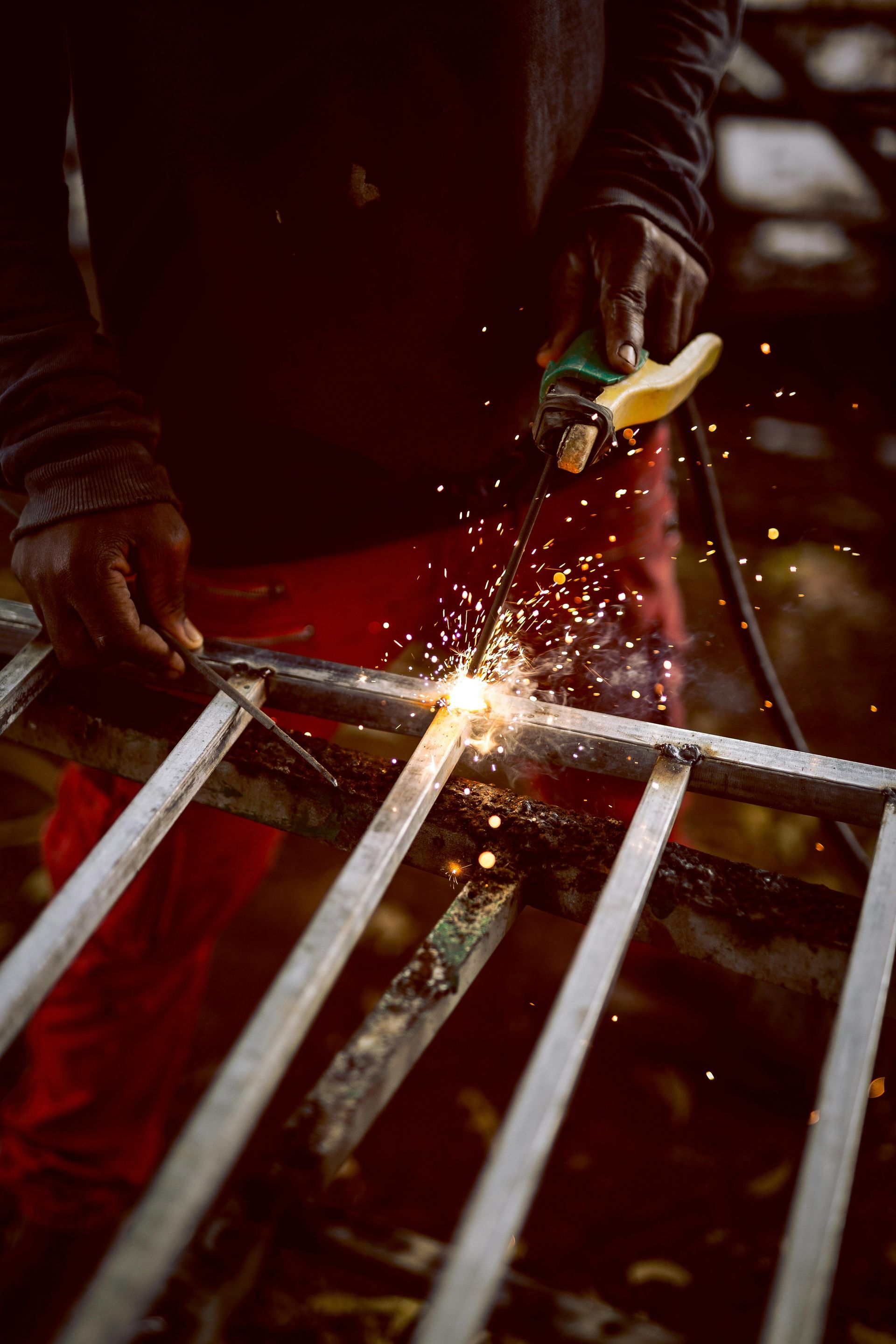
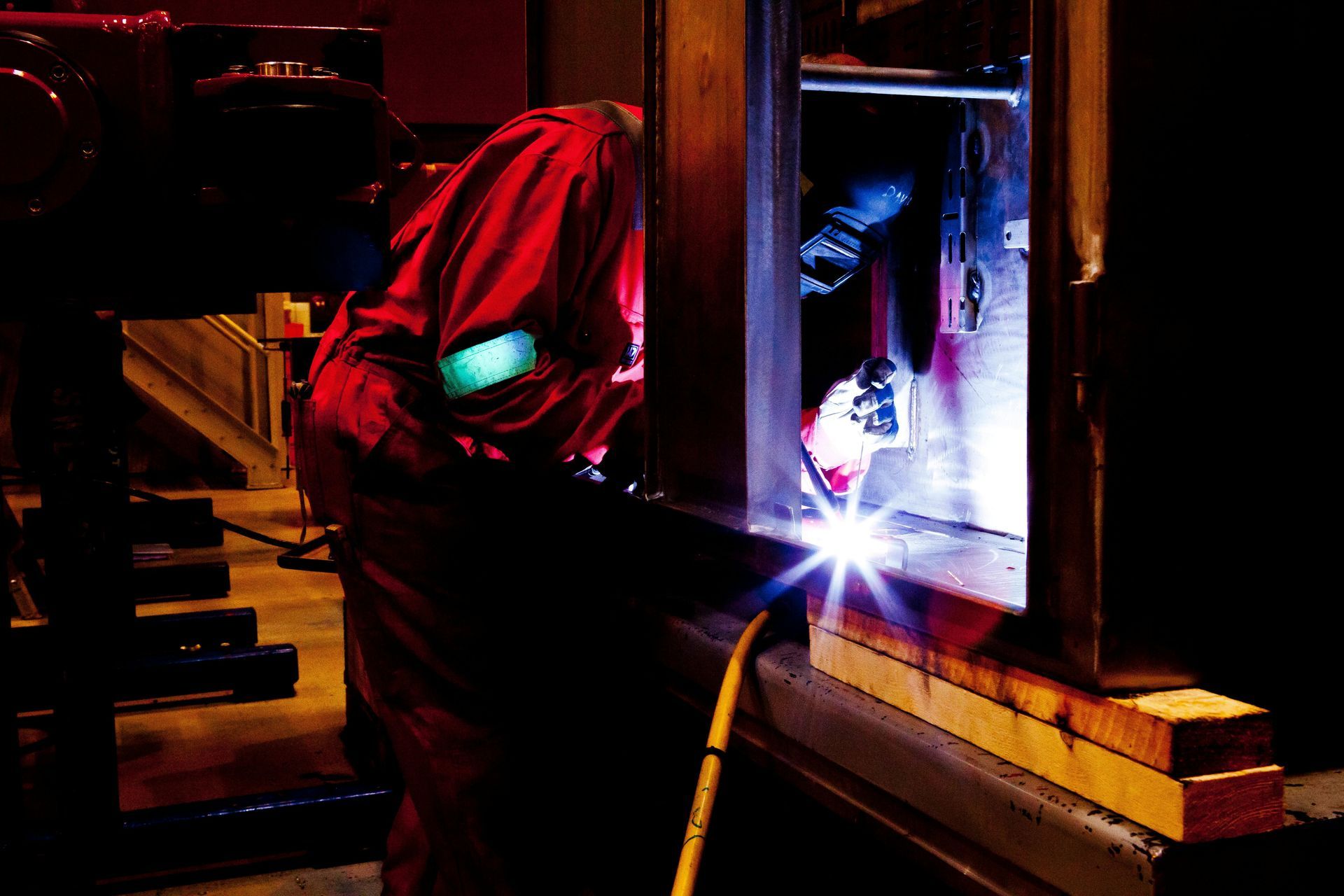
When critical welding failures occur at your facility or job site, time becomes your most valuable asset. Emergency on-site welding repair services can mean the difference between minor downtime and catastrophic production losses. Finding the right mobile welding professional requires understanding their capabilities, certifications, and response protocols to ensure your urgent repairs are completed safely and effectively.
Key Takeaways
- Certification and licensing verification ensure quality workmanship and safety compliance
- Response time capabilities directly impact your operational downtime costs
- Equipment versatility determines the range of repairs possible on-site
- Industry-specific experience reduces project complexity and completion time
- Insurance coverage and bonding protect against liability and financial risks
- 24/7 availability provides peace of mind for unexpected emergencies
Essential Certifications and Qualifications
Professional welding certifications serve as the foundation for reliable emergency repairs. Look for welders who maintain current American Welding Society (AWS) certifications specific to your industry needs. These credentials demonstrate proven competency in various welding processes and materials.
Critical Certification Requirements:
- AWS D1.1 Structural Welding Code certification - Essential for building and bridge repairs, ensuring compliance with structural steel welding standards and load-bearing requirements
- API 1104 Pipeline Welding certification - Required for oil, gas, and water pipeline emergency repairs with proper penetration and integrity testing
- ASME Section IX certification - Necessary for pressure vessel and boiler welding applications where safety margins are critical
- State licensing and local permits - Ensures legal compliance for commercial and industrial work within specific jurisdictions
A certified welder near Saco, Maine, should also maintain continuing education records, demonstrating commitment to current industry standards and safety protocols. Additionally, verify that technicians hold relevant safety certifications such as OSHA 30-hour training, confined space entry, and hazardous material handling when applicable to your work environment.
Beyond basic certifications, experienced emergency welders often pursue specialized training in areas like underwater welding, high-pressure applications, and exotic metal fabrication. These advanced qualifications become valuable when dealing with unique emergencies that require specialized knowledge and techniques.
Equipment Capabilities and Technology
Modern mobile welding operations require sophisticated equipment that can handle diverse repair scenarios. The right emergency welding service should arrive fully equipped with multiple welding processes and cutting technologies to address various material types and thicknesses without delays.
Essential Equipment Categories:
- Multi-process welding machines - Capable of MIG, TIG, stick, and flux-core welding for versatile repair options across different materials and applications
- Portable plasma cutting systems - Enable precise material removal and preparation in tight spaces where traditional cutting methods prove impractical
- Generator and power supply systems - Provide reliable electricity in remote locations without grid access, ensuring consistent welding performance
- Material handling equipment - Includes lifting devices, clamps, and positioning tools for heavy components that require precise alignment
| Equipment Type | Purpose | Benefits |
|---|---|---|
| Portable MIG/TIG Units | Precision welding on thin materials | Clean, strong welds with minimal distortion |
| Heavy-duty stick welders | Structural steel repairs | Penetrates rust and contaminants effectively |
| Plasma cutting torches | Material removal and preparation | Fast, accurate cuts in various thicknesses |
| Acetylene/oxygen torches | Heating and cutting applications | Versatile for preheating and flame cutting |
| Magnetic drills | Hole preparation and bolt installation | Creates precise holes without structure damage |
| Portable band saws | Material cutting and modification | Clean cuts for fitting and preparation work |
For industrial steel welding services in Maine, equipment should also include specialized accessories like pipe beveling machines, magnetic drill presses, and portable grinders. This comprehensive toolkit enables complete fabrication and repair work without returning to a fixed shop location, reducing project timelines significantly.
Advanced welding services may also carry computerized welding systems that provide consistent parameters and documentation for critical applications. These systems prove particularly valuable when repairs must meet strict quality standards or regulatory requirements.
Response Time and Availability
Emergencies demand immediate action, making response time a critical selection factor. Professional mobile welding services should offer clear communication about their availability and estimated arrival times based on your location and urgency level.
Response Time Considerations:
- Geographic coverage area - Understand service radius and travel time implications for your specific location and accessibility requirements
- Emergency contact protocols - Clear procedures for reaching technicians during off-hours, weekends, and holidays with immediate callback guarantees
- Equipment mobilization speed - Time required to load specialized equipment and reach your site with all necessary tools and materials
- Backup personnel availability - Secondary team options when primary technicians are unavailable or additional workforce is required
Many mobile welding service providers near Saco, Maine offer tiered response levels, with critical infrastructure repairs receiving priority scheduling. Discuss these options during initial consultations to understand how your facility ranks in their emergency response hierarchy and what guarantees they provide for urgent situations.
Some services maintain strategically positioned equipment caches throughout their coverage area, enabling faster response times by reducing equipment loading and transportation delays. This approach proves particularly valuable for facilities with recurring emergency repair needs.
Industry Experience and Specialization
Different industries present unique welding challenges that require specialized knowledge and experience. A mobile welder for structural steel in Maine should demonstrate familiarity with your specific sector's requirements, materials, and safety protocols to ensure efficient problem resolution.
Industry-Specific Expertise Areas:
- Manufacturing and production facilities - Understanding of production line integration, material flow considerations, and minimal disruption requirements during active operations
- Construction and infrastructure - Experience with structural steel, reinforcement welding, building code compliance, and coordination with other trades
- Marine and shipyard operations - Knowledge of saltwater corrosion resistance, aluminum welding techniques, and maritime safety standards for vessel repairs
- Oil and gas industry - Expertise in pipeline repairs, pressure testing protocols, and hazardous environment safety procedures
On-site fabrication and welding Saco providers should also understand local building codes, environmental regulations, and industry-specific inspection requirements. This knowledge prevents costly delays and ensures compliance throughout the repair process while maintaining operational safety standards.
Experienced welders also develop relationships with material suppliers, enabling rapid procurement of specialized metals, alloys, and consumables that may be required for emergency repairs. These connections prove invaluable when standard materials are unavailable or insufficient for specific applications.
Safety Protocols and Insurance Coverage
Safety considerations become paramount when welding operations occur in active work environments. Professional emergency welders should demonstrate comprehensive safety training and carry appropriate insurance coverage to protect all parties involved in the repair process.
Safety and Insurance Requirements:
- Comprehensive liability insurance - Covers property damage and injury claims during repair operations with adequate coverage limits for your industry
- Workers' compensation coverage - Protects against employee injury claims and medical expenses while ensuring compliance with state requirements
- Environmental liability protection - Addresses potential contamination or environmental damage from welding activities or material handling
- Equipment insurance - Covers damage to client property from welding equipment or operations, including fire damage and structural impacts
Heavy-duty welding and fabrication specialists should also provide detailed safety protocols, including hot work permits, fire watch procedures, and emergency response plans. These documents demonstrate professionalism and reduce liability risks for your organization while ensuring regulatory compliance.
Professional services maintain detailed safety equipment inventories, including fire extinguishers, safety barriers, ventilation equipment, and personal protective equipment for various working conditions. This preparation enables immediate work commencement without safety-related delays.
Quality Assurance and Testing Capabilities
Emergency repairs must meet the same quality standards as planned maintenance work, despite time pressures. Look for welding services that include quality control measures and testing capabilities as standard practice rather than optional add-ons.
Quality Control Components:
- Visual inspection protocols - Systematic examination of weld appearance, penetration depth, and potential defects using standardized criteria
- Non-destructive testing equipment - Portable X-ray, ultrasonic, or dye penetrant testing capabilities for critical structural components
- Certification of welding procedures - Documented processes for specific material and application combinations, ensuring repeatability and compliance
- Post-repair documentation - Detailed reports including photos, test results, material certificates, and warranty information
Pipe welding contractors in Southern Maine should also offer pressure testing services when applicable, ensuring repairs meet operational requirements before returning equipment to service. This comprehensive approach reduces the likelihood of repeat failures and extends repair longevity while maintaining safety standards.
Some welding services provide digital documentation systems that include real-time photo documentation, GPS location tracking, and electronic signature capabilities for immediate report generation and client approval processes.
Communication and Project Management
Clear communication during emergencies helps minimize stress and ensures efficient coordination between welding teams and facility personnel. Professional services should provide regular updates and maintain detailed project documentation throughout the repair process.
Communication Standards:
- Initial assessment reporting - Detailed evaluation of damage scope, recommended repair approaches, and timeline estimates with material requirement specifications
- Progress updates - Regular communication about repair status, timeline changes, material procurement needs, and any complications that arise
- Final documentation - Comprehensive reports including work performed, materials used, testing results, and warranty terms with supporting photographs
- Follow-up protocols - Scheduled inspections and maintenance recommendations to prevent future failures and extend equipment life
Steel beam welding service Saco providers should also designate specific project managers or lead technicians as primary communication contacts, streamlining information flow and reducing confusion during critical repair periods when multiple stakeholders require updates.
Advanced communication systems may include real-time project tracking portals, mobile applications for status updates, and integrated billing systems that provide transparency throughout the emergency repair process.
Cost Considerations and Value Assessment
Understanding the cost structure of emergency welding services helps organizations budget appropriately and evaluate service providers effectively. While emergency rates typically exceed standard pricing, the value delivered should justify the premium costs through reduced downtime and comprehensive service delivery.
Cost Structure Elements:
- Emergency response fees - Additional charges for after-hours, weekend, and holiday service calls based on urgency level and timing requirements
- Travel and mobilization costs - Transportation expenses for equipment and personnel based on distance and accessibility factors
- Material markup rates - Pricing structure for consumables, replacement parts, and fabrication materials with transparency in billing practices
- Labor rate structures - Hourly rates for different skill levels and certification requirements with clear overtime and extended project policies
Consider the total cost of downtime when evaluating emergency welding service pricing. Professional services that complete repairs quickly and reliably often provide better overall value despite higher initial costs, particularly for critical production equipment or safety-related infrastructure.
Frequently Asked Questions
What qualifications should I look for in an emergency mobile welder?
Look for current AWS certifications relevant to your industry, state licensing, and OSHA safety training. Professional welders should also carry comprehensive insurance and demonstrate ongoing education in current welding standards and emerging technologies.
How quickly can mobile welding services respond to emergency calls?
Response times vary by location and service provider, but professional emergency services typically aim for 2-4 hour response times within their coverage area. Remote locations may require additional travel time for equipment mobilization and specialized tool preparation.
What types of welding can be performed on-site during emergencies?
Most welding processes including MIG, TIG, stick welding, and plasma cutting can be performed on-site with proper equipment. The specific processes used depend on material type, thickness, environmental conditions, and access limitations at your location.
Do mobile welders carry insurance for emergency repair work?
Professional mobile welding services should carry comprehensive liability insurance, workers' compensation, and equipment coverage. Always verify insurance certificates and coverage limits before allowing work to begin on your property to ensure adequate protection.
Can emergency welders work in hazardous or confined spaces?
Many professional welders hold certifications for confined space entry and hazardous environment work, including gas detection and atmospheric monitoring. However, always discuss specific site conditions and safety requirements during initial consultation to ensure proper preparation and compliance.
Final Thoughts
Selecting the right emergency mobile welding service requires balancing technical capabilities, response time, and safety protocols to meet your specific operational needs. By evaluating certifications, equipment capabilities, industry experience, and communication standards, you can identify welding professionals who deliver reliable emergency on-site welding repair when critical situations arise, minimizing downtime and ensuring safe, compliant repairs that restore your operations quickly and effectively while maintaining long-term equipment integrity and operational safety.
Need emergency welding services? Contact our certified mobile welder today to discuss your emergency response needs and minimize downtime when critical repairs arise.
Reference:
https://www.nationaloshafoundation.com/osha-30-hour-course/?utm_term=osha%2030%20training&utm_campaign=Fall+Protection+-+Exact&utm_source=adwords&utm_medium=ppc&hsa_acc=2270958397&hsa_cam=20956495408&hsa_grp=157131088759&hsa_ad=688057283643&hsa_src=g&hsa_tgt=kwd-1843792976&hsa_kw=osha%2030%20training&hsa_mt=p&hsa_net=adwords&hsa_ver=3&gad_source=1&gad_campaignid=20956495408&gbraid=0AAAAAB3BkarAOyiu5SXYMiHhcwT-pNX-q&gclid=Cj0KCQiA6Y7KBhCkARIsAOxhqtMgoMOyKFEI2XtQ3pcjb9BWzcc3sEq4_KGGkFiR6AcfNVR2-oPfBj4aAsDDEALw_wcB