Design Considerations for Custom Metal Panels and Railings
Custom metal panels and railings play an important role in both functional and visual design across residential, commercial, and industrial settings. From architectural facades to stair railings and balconies, these elements influence safety, durability, and overall appearance. Thoughtful design decisions help ensure that metal panels and railings meet practical needs while complementing the surrounding space.
Whether a project emphasizes modern aesthetics, structural reliability, or long-term performance, understanding key design considerations helps property owners and project planners make informed choices. This guide explores the factors that influence effective metal panel and railing design, including material selection, safety requirements, fabrication methods, and maintenance planning.
Key Takeaways
- Material selection affects durability, appearance, and maintenance needs
- Design must balance safety requirements with visual appeal
- Environmental exposure influences metal choice and finishing options
- Custom fabrication allows flexibility in style and function
- Proper planning improves longevity and reduces future repairs
- Collaboration between designers and fabricators supports better results
Purpose and Function of Metal Panels and Railings
Structural and Safety Roles
Metal railings serve as protective barriers, helping prevent falls and guiding movement on stairs, balconies, walkways, and elevated platforms. Panels may provide privacy, wind control, or structural reinforcement depending on the application.
Visual and Architectural Impact
Beyond function, metal panels and railings contribute to a property’s design identity. Clean lines, decorative patterns, and custom finishes allow these elements to enhance both interior and exterior spaces.
Understanding the primary purpose of the installation helps guide design decisions from the start.
Material Selection Considerations
Common Metal Options
Different metals offer varying strengths, appearances, and maintenance needs. Common choices include:
- Steel: Strong and versatile, suitable for structural applications
- Stainless steel: Corrosion-resistant and modern in appearance
- Aluminum: Lightweight and resistant to rust
- Wrought iron: Decorative and traditional in style
Each material performs differently depending on the environment and usage.
Durability and Longevity
Selecting the right material helps ensure long-term performance. Outdoor installations may require corrosion-resistant metals, while interior projects can prioritize design flexibility and finish options.
Safety and Code Requirements
Local Building Codes
Metal railings must meet local safety codes related to height, spacing, load capacity, and installation methods. These standards help ensure user safety and structural reliability.
Spacing and Grip Design
Proper spacing between railing components prevents accidents, especially in areas accessible to children. Handrails should offer a comfortable grip and consistent support.
Designing with safety in mind ensures compliance while maintaining visual appeal.
Environmental and Site Conditions
Exposure to Weather
Outdoor metal panels and railings are exposed to moisture, temperature changes, and sunlight. These conditions can impact metal performance over time if not properly addressed.
Coastal and High-Moisture Areas
In regions with high humidity or salt exposure, corrosion-resistant materials and protective coatings become especially important.
Indoor Environments
Interior applications may face less environmental stress but still require durability based on traffic and usage patterns.
Understanding site conditions helps guide material and finish choices.
Finishing and Coating Options
Protective Coatings
Coatings such as powder coating or galvanization help protect metal surfaces from corrosion, scratches, and fading. These finishes also improve longevity and reduce maintenance.
Color and Texture Choices
Custom finishes allow metal panels and railings to complement surrounding materials and architectural styles. Matte, gloss, or textured finishes can create different visual effects.
Maintenance Considerations
Some finishes require less upkeep than others. Choosing low-maintenance coatings can save time and costs over the life of the installation.
Design Style and Aesthetic Alignment
Modern and Minimalist Designs
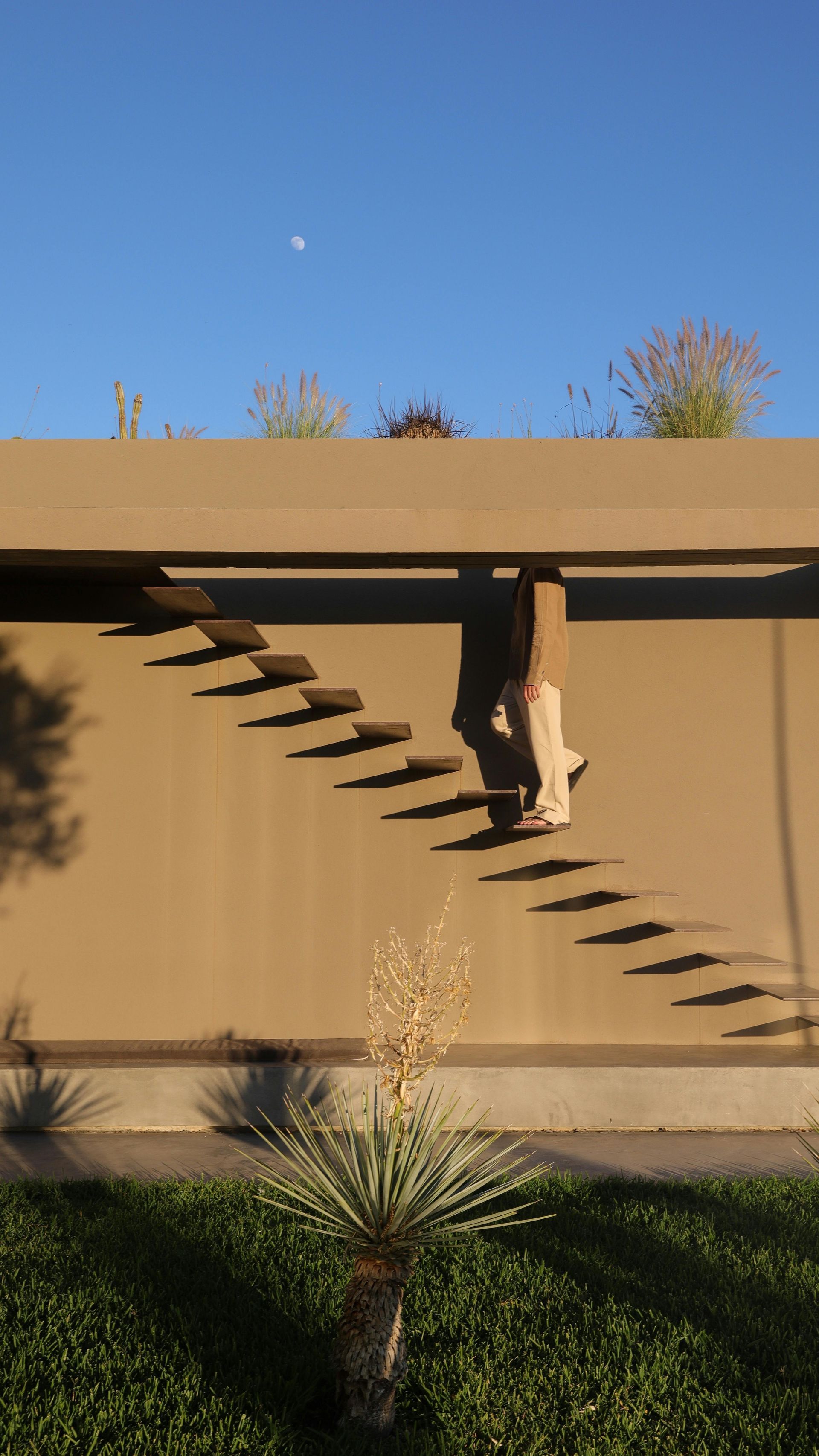
Clean lines, simple geometry, and smooth finishes are common in modern metal railing and panel designs. These styles often emphasize open space and visibility.
Traditional and Decorative Styles
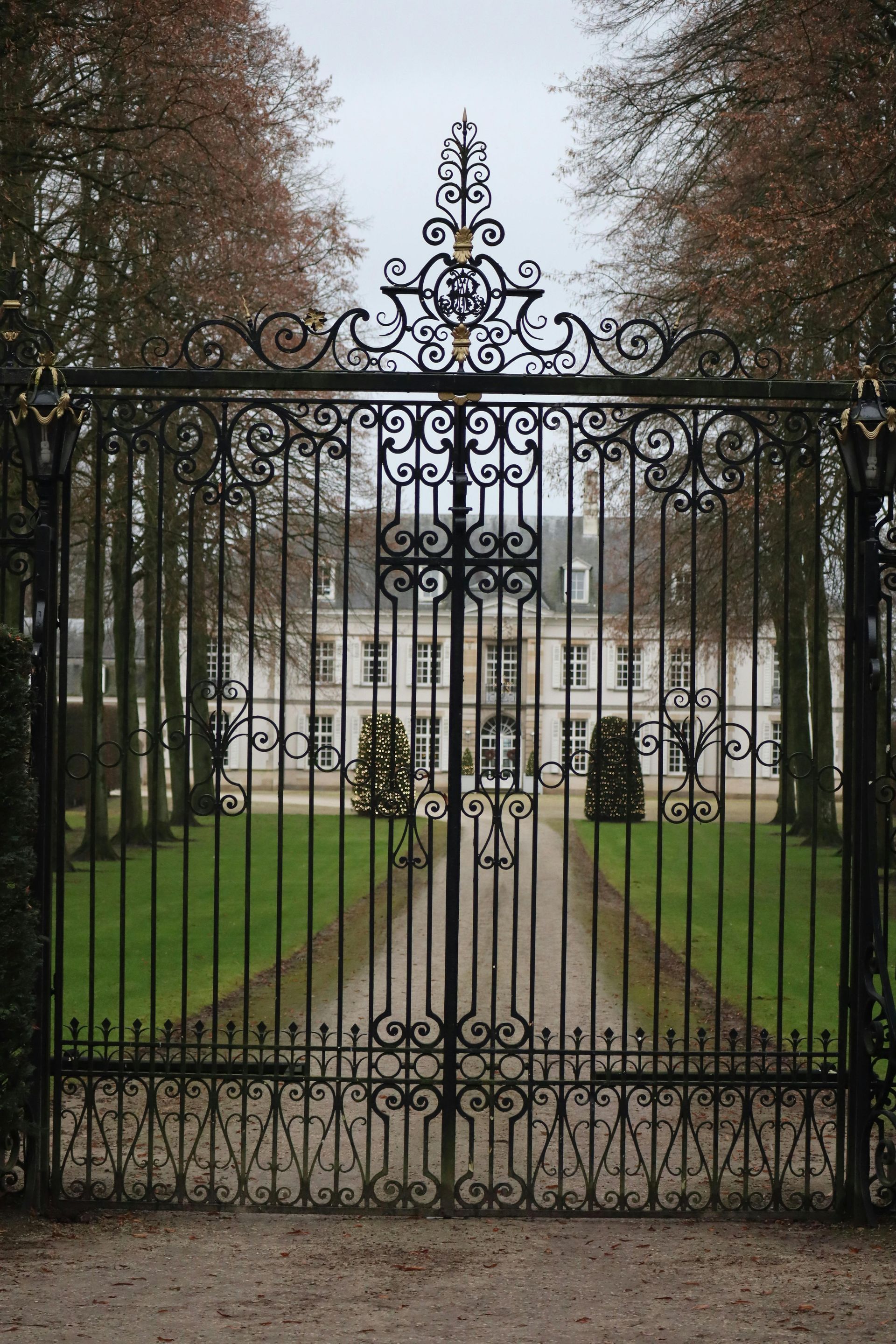
Ornamental patterns, curves, and detailed elements suit traditional or historic properties. Wrought iron or decorative steel may support these designs.
Blending With Surroundings
Effective design ensures metal elements complement existing architecture rather than overpower it.
Customization and Fabrication Flexibility
Tailored Measurements
Custom fabrication allows metal panels and railings to fit unique dimensions, slopes, or architectural features that standard products may not accommodate.
Pattern and Design Options
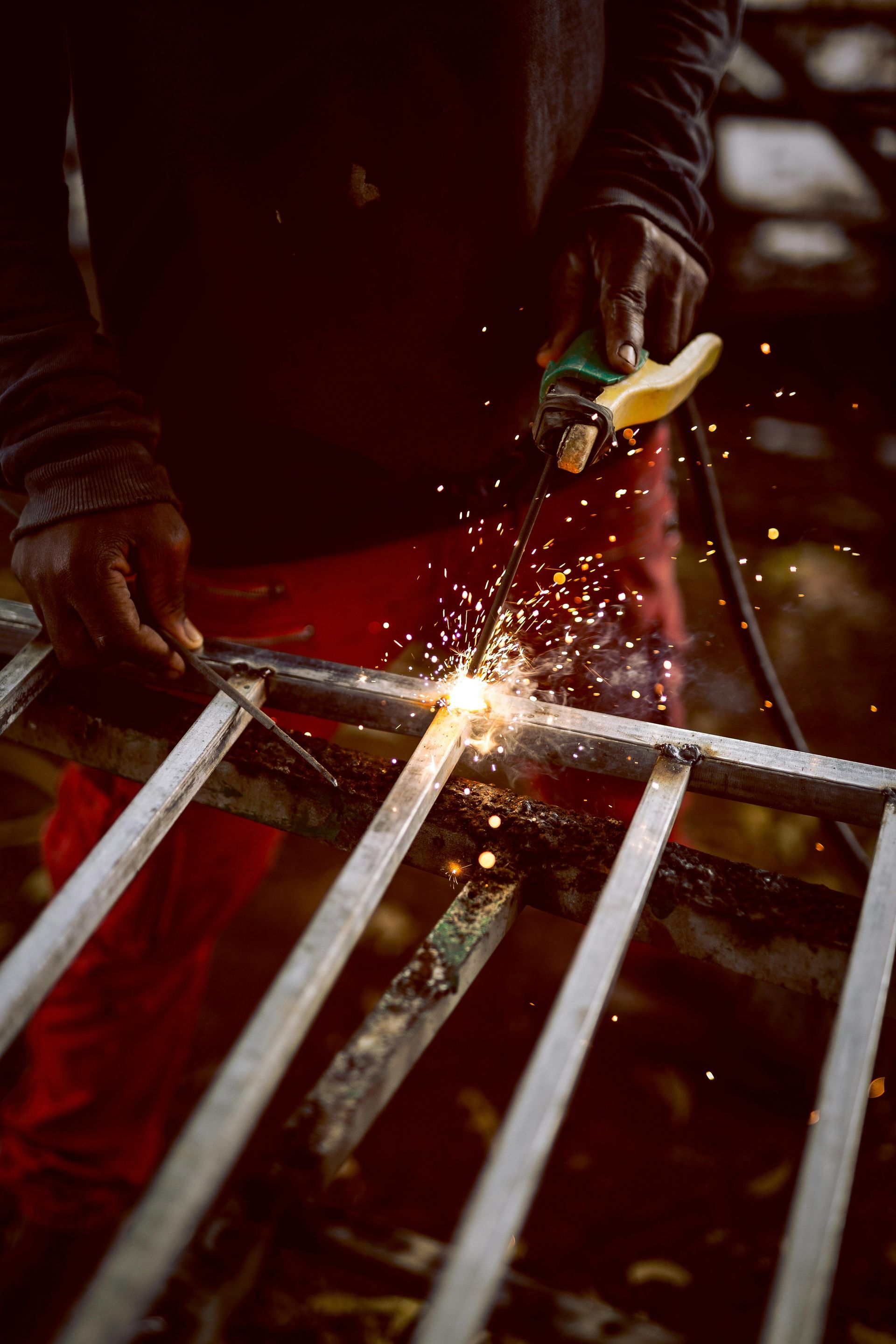
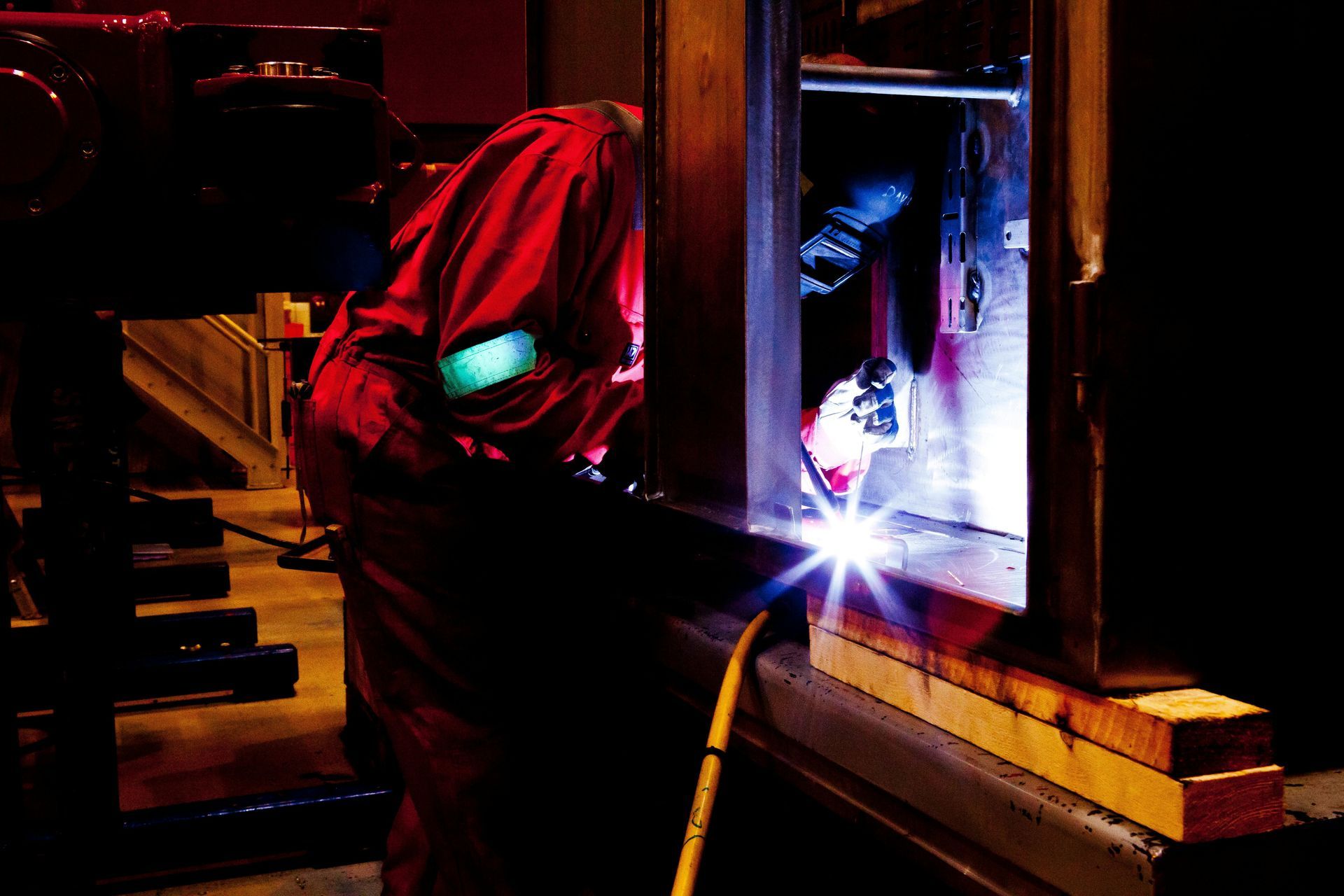
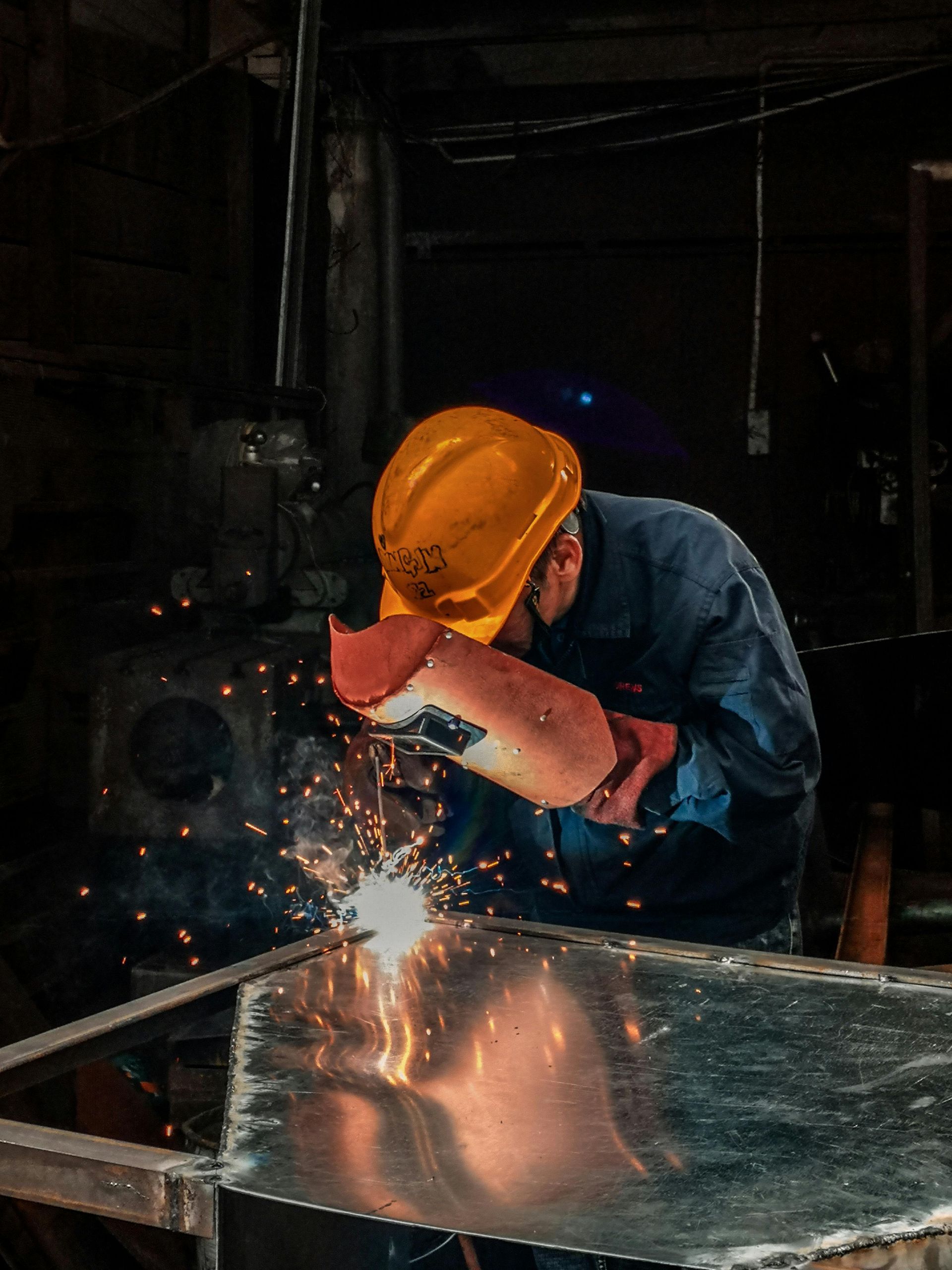
Laser cutting, bending, and welding techniques support intricate patterns and creative designs while maintaining structural integrity.
Collaboration During Design
Working closely with fabricators helps translate design concepts into functional installations.
Installation Planning
Structural Support
Proper anchoring and support are critical for safety and durability. Design should account for mounting surfaces and load requirements.
Access and Logistics
Installation plans should consider site access, surrounding structures, and potential disruptions during installation.
Timeline Coordination
Early planning helps avoid delays and ensures smooth project execution.
Maintenance and Long-Term Care
Routine Inspections
Periodic inspections help identify wear, corrosion, or loosening components before they become safety concerns.
Cleaning Practices
Gentle cleaning removes dirt, debris, and contaminants that can degrade finishes over time.
Repair Considerations
Designs that allow easy access to components simplify future repairs or modifications.
Cost and Budget Factors
Material Costs
Different metals vary in price based on availability, weight, and finish requirements.
Fabrication Complexity
Custom patterns and intricate designs may increase fabrication time and costs.
Long-Term Value
Investing in durable materials and quality finishes can reduce maintenance expenses and extend service life.
Comparison of Common Metal Options
| Equipment Type | Common Failure | Estimated On-Site Time |
|---|---|---|
| Tractor Hitch | Cracked Weld | 1-2 Hours |
| Hay Baler | Frame Break | 2-3 Hours |
| Trailer Axle | Sheared Pin | 1 Hour |
| Barn Gate | Hinge Failure | 45 Minutes |
This table highlights general characteristics to help guide material selection.
Design Planning and Early Decision-Making
Effective design planning and early decision-making lay the foundation for successful custom metal panels and railing projects. Taking the time to define goals, constraints, and expectations before fabrication begins can help reduce revisions, control costs, and improve overall outcomes. Early planning also allows homeowners, designers, and contractors to align on both functional needs and visual preferences.
One of the first considerations in the planning phase is understanding the intended use of the panels or railings. Will they serve primarily as a safety feature, a decorative element, or a combination of both? Clarifying the purpose early helps guide choices related to layout, spacing, height, and material thickness. It also makes it easier to prioritize features such as privacy, airflow, or visibility without introducing conflicts later in the process.
Design planning is also the ideal time to evaluate the surrounding environment. Factors such as exposure to weather, foot traffic patterns, and nearby materials can influence design decisions. For example, outdoor installations may require finishes that resist corrosion and fading, while indoor applications may focus more on texture, color, and integration with interior design elements. Addressing these conditions upfront helps avoid redesigns once fabrication is underway.
Early decision-making supports smoother coordination between design and fabrication teams. Custom metal work often requires precise measurements and detailed drawings, and changes made late in the process can result in delays or added expense. By finalizing dimensions, attachment methods, and aesthetic details early, fabricators can plan production more efficiently and minimize material waste.
Planning for Future Modifications
Designing with adaptability in mind allows panels and railings to be updated or expanded if needs change. Modular designs and accessible mounting systems support future adjustments without major reconstruction.
Common Design Challenges
- Balancing aesthetics with safety requirements
- Selecting finishes that withstand environmental exposure
- Integrating metal elements with existing structures
- Managing budget while maintaining quality
Addressing these challenges early improves project outcomes.
Frequently Asked Questions
What makes on-site welding faster than shop repairs?
On-site work skips transport time. Technicians carry all tools, cutting response to hours instead of days.
Is emergency welding safe for all metals?
Trained welders match techniques to steel, aluminum, or stainless. They test joints for strength.
How much does on-site welding in Saco cost?
Rates vary by job size and urgency. Expect travel fees plus hourly labor, often lower than towing.
Can you weld in bad weather?
Shelters or tents protect work. Many pros handle rain or cold with heated gear.
How long do on-site repairs last?
Quality welds match original strength. Proper prep ensures years of service.
Final Thoughts
Designing
custom metal panels and railings requires careful consideration of safety, material selection, environmental conditions, and visual impact. When these elements are thoughtfully balanced, metal installations provide long-lasting performance and aesthetic value. Planning ahead, understanding project requirements, and collaborating with
experienced fabricators help ensure successful results that meet both functional and design goals.
If you are planning a project that includes custom metal panels or railings, take time to evaluate design priorities and material options. Reach out to our experienced metal fabrication professionals who can help bring your vision to life while ensuring safety, durability, and long-term value.
Reference:
https://www.steelworksolutions.ca/mastering-metal-railings-design/